Owning or managing a home in Lexington MA means planning for extremes. Summers can strain air conditioners, winters test boilers, and a sudden plumbing failure can turn a small problem into a big one. Preventive care for HVAC and plumbing is not glamorous, but it is where most savings and peace of mind come from. Here I lay out why regular maintenance pays, what sensible preventive work looks like, and how a local HVAC contractor can make preventive care simple, reliable, and cost-effective. I include real-world observations from years in the field, concrete numbers, and trade-offs you should know before committing to a service plan.
Why prevention matters right now A failed compressor in mid-July often means expensive replacement plus emergency service fees. A slow leak left unattended will increase water bills and can lead to mold remediation that costs thousands. Regular preventive care turns these crises into scheduled tasks. For many homeowners the math is straightforward: a $150 to $300 maintenance visit each spring and fall can delay or prevent a $3,000 to $6,000 system replacement, avoid emergency calls that are 50 to 100 percent more expensive, and reduce monthly energy bills by 5 to 20 percent depending on system condition and thermostat behavior.
How preventive care reduces https://daltonjamt186.iamarrows.com/green-energy-ac-heating-plumbing-repair-eco-friendly-ac-tips costs and stress Preventive maintenance finds small problems before they cascade. Replacing a failing capacitor during an annual tune-up can prevent a motor burnout. Cleaning coils and changing filters keeps compressors from overworking, which preserves efficiency and extends component life. For plumbing, tightening a loose supply line and replacing a worn flange can avoid water damage and the need for drywall patching and repainting.
There is a psychological benefit too. Knowing a trusted local team inspects your equipment twice a year eliminates late-night searches for "Emergency AC repair near me" when the temperature spikes. That alone is worth a modest annual fee for many households.
What a good preventive visit should include A thorough visit looks at more than one obvious symptom. For air conditioning that means visual inspection, refrigerant check, electrical testing, drainage inspection, and airflow measurement. For heating systems mechanics, combustion analysis, heat exchanger inspection when accessible, and system controls testing matter. Plumbing checks focus on visible leaks, basin and toilet function, water pressure, and the condition of exposed fittings and valves.
Three judgment calls I make on calls First, replace small inexpensive parts proactively when their failure would be painful: start capacitors, contactors, small motors, and thermostat batteries are cheap and quick to swap. Second, defer deep repairs on old equipment if the system has many other signs of age, and instead budget for phased replacement of the entire system. Third, prioritize safety over cost: a cracked heat exchanger or corroded gas line is an immediate stop-the-job condition.
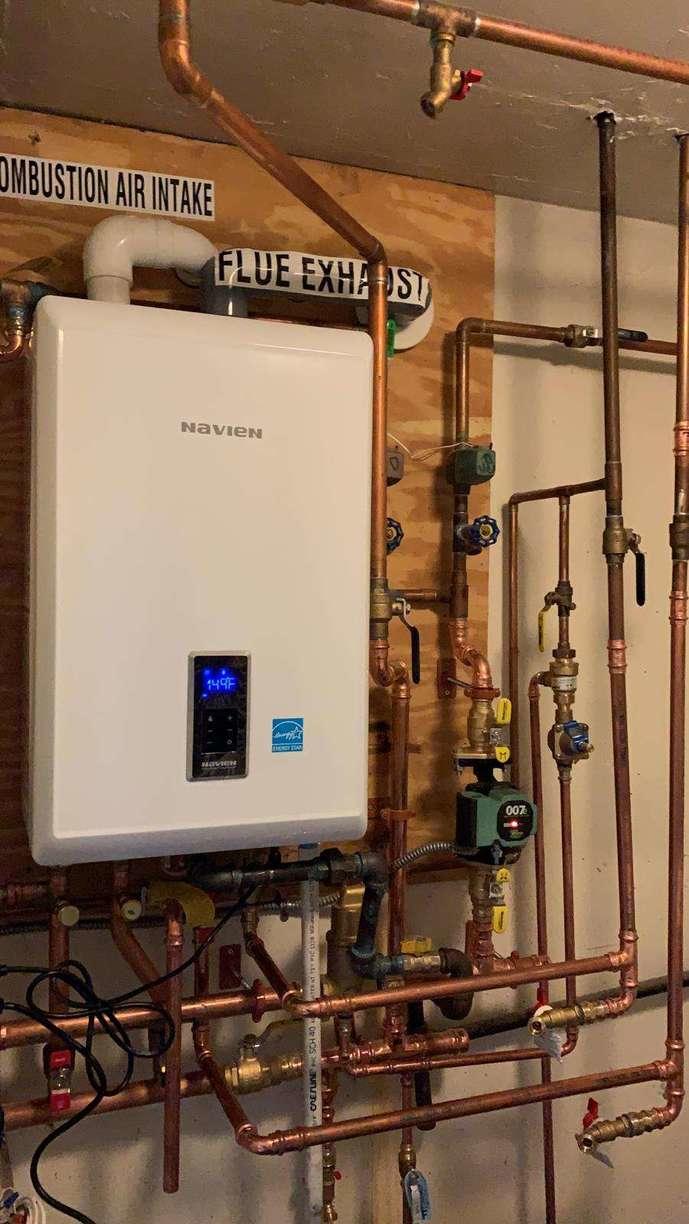
A realistic preventive maintenance checklist
- Change or inspect air filters and note when a filter is abnormally dirty, indicating duct issues or air quality problems. Clean outdoor condenser coils and check refrigerant pressure, topping off or diagnosing leaks if pressures are off. Test electrical connections, measure voltages and currents on motors, and replace worn contactors or capacitors. Inspect condensate drains, clear clogs, and ensure proper slope and termination to prevent water damage. Check plumbing fixtures, exposed fittings, and shutoff valves, and test for slow leaks or hidden moisture.
How maintenance affects system lifespan and efficiency Equipment age estimates are useful guidelines. A well-maintained central AC installed and maintained by a competent HVAC contractor often reaches 12 to 15 years with steady performance. Poorly maintained units might need replacement in 6 to 8 years. Each year of neglected maintenance can shave off roughly 5 percent of system efficiency in some cases, driving up electricity bills. By contrast, a maintenance schedule that keeps coils clean, refrigerant at proper charge, and airflow within design parameters commonly restores several percentage points of efficiency.
Choosing preventive care frequency and level Most homeowners do well with two HVAC visits a year: spring for AC, fall for heating. For plumbing, an annual walk-through plus attention when seasons change is reasonable. However, some situations call for tighter schedules. Houses with heavy dust loads, pets that shed, or occupants with allergies may need filter changes every 1 to 2 months and professional checks every 6 months. Buildings with older systems or those subject to high use, such as rental properties or multi-family units, benefit from quarterly inspections.
Cost versus benefit: an honest look A typical maintenance contract from a reputable provider in Lexington MA ranges from about $150 to $350 per visit, sometimes bundled into annual plans offering the two visits at a small discount. The benefits are both tangible and probabilistic. You reduce the chance of emergency replacement this year, but you do not eliminate it. Preventive care lowers risk and spreads out expenses instead of concentrating risk in a single catastrophic event. For budget-minded homeowners, prioritize season-critical systems and immediate safety issues, then phase additional checks as funds allow.
Emergency service trade-offs A homeowner who prefers to skip maintenance and hire only when something breaks should understand the trade-offs. Emergency calls cost more, often 50 percent to 100 percent above a scheduled visit, and parts might be limited to same-day options rather than the correct OEM replacements. You lose the scheduling advantage and risk waiting for parts or a technician during peak demand. When local suppliers are stretched, emergency waiting times lengthen.
How a local company like Green Energy AC Heating & Plumbing Repair helps Working with a local firm brings advantages beyond proximity. A Lexington MA contractor familiar with area weather patterns, typical house constructions, and common failure modes can tailor preventive plans that make sense for local conditions. Green Energy AC Heating & Plumbing Repair emphasizes transparent pricing, clear documentation of every visit, and a simple priority scheduling for enrolled clients. That means when you call with "Emergency AC repair near me" you bypass the long wait list.
Real examples from service calls I recall a house in Lexington where routine spring maintenance found an attic drain pan that had been slowly leaking into insulation for months. The homeowners had noticed a faint smell but otherwise no visible water. Repairing the pan and replacing a small section of insulation cost under $700, versus the alternative of chasing mold remediation and drywall replacement that would have easily exceeded $4,000. Another case involved a rental property where winter maintenance caught a cracked circulator pump seal. Replacing the pump that season prevented frozen pipe complications and a water loss claim.
What preventive care does not guarantee Maintenance does not guarantee indefinite system life. Catastrophic failures, manufacturer defects, or sudden component failures can still occur. Preventive care reduces risk and improves response options, but homeowners should also plan financially: set aside a replacement fund or consider equipment replacement when repair costs exceed roughly 50 percent of replacement cost, adjusted for age and efficiency gains.
Energy efficiency and environmental benefits Well-tuned systems use less energy. A cleaner coil, correct refrigerant charge, and unrestricted airflow reduce compressor run time and electricity draw. Replacing very old equipment with modern high-efficiency models often yields payback through lower bills in 5 to 12 years depending on usage patterns and fuel prices. For homeowners who care about carbon footprint, incremental improvements through preventive care and timely equipment upgrades contribute to lower household emissions.
Questions to ask a contractor before signing a plan Ask about what is included versus what is billed as extra, how they document completed tasks, and whether technicians are licensed and insured. Check for early-bird scheduling for plan members and emergency response windows. Confirm parts warranties and whether the contractor uses OEM parts or equivalent aftermarket options. A reliable contractor will give straightforward answers, show reports from prior visits, and explain why certain services matter.
How to spot a good preventive visit A technician should take measurements, not just eyeball components. Look for recorded refrigerant pressures, amperage readings for motors, temperature splits across the evaporator, and clear notes about filter condition and coil cleanliness. For plumbing, a good visit documents water pressure, checks for visible corrosion, and inspects accessible shutoff valves. Photos are a plus. If your contractor provides a checklist or service report, that is a sign of professionalism.
DIY preventive steps that actually help Homeowners can make preventive care more effective by handling a few tasks between professional visits. Replace filters on schedule, clear vegetation away from the outdoor condenser, and keep the area around the furnace or boiler free of clutter. Flush water heater sediment annually if you are comfortable doing so; this simple step can restore 5 to 10 percent efficiency and extend tank life. If you notice unexplained noises, odors, or energy use spikes, take notes and call your contractor — early warning is the most valuable preventive tool.
When to upgrade rather than repair If repairs in a single year exceed half the replacement cost, or the system is past its expected life and efficiency is low, a replacement often makes financial sense. Modern equipment offers better efficiency, quieter operation, and variable-speed compressors or modulating burners that match load more accurately. Upgrading also gives you a chance to improve comfort with zoning, smart thermostats, and better ductwork sealing.
How preventive care improves resale value Documented maintenance history reassures buyers. Homes with consistent, documented service records often sell faster and with fewer concessions. A buyer sees less perceived risk when recordkeeping shows biannual visits and clear records of repairs. For sellers, a pre-listing preventive tune-up can be a low-cost way to reduce negotiation points and speed the sale.
Choosing the right plan for your property Match the plan to use. Single-family homes with moderate use often do best with the standard two-visit annual plan and a spring AC check. High-occupancy homes, short-term rentals, and properties in need of frequent attention should consider quarterly checks. For landlords, a proactive approach reduces emergency turnover costs and helps preserve security deposits.
Final practical steps First, schedule a spring AC check to ensure your unit is ready before peak use. Second, ask for a clear written estimate and a checklist of what the visit will cover. Third, enroll in a maintenance plan if you prefer priority scheduling and predictable costs. If you have a specific concern, document it and ask the technician to pay special attention. Finally, keep records of every visit; over time they form a diagnostic history that helps technicians advise whether repairs or replacement are the better investment.
Preventive care is not a panacea, but it is the most reliable way to manage risk, control costs, and keep systems running at designed efficiency. For residents searching for "AC repair in Lexington MA" or "AC installation in Lexington" choosing a local, transparent provider like Green Energy AC Heating & Plumbing Repair aligns seasonal needs with practical budgeting and dependable emergency response when it matters most. Routine attention, sensible replacements, and straightforward communication add up to fewer surprises and better long-term value.
Green Energy AC Heating & Plumbing Repair
76 Bedford St STE 12, Lexington, MA 02420
+1 (781) 630-7573
[email protected]
Website: https://greenenergymech.com